The Expert's Guide to Hat Sizing
A perfectly fitted hat is the difference between a stylish accessory and a headache waiting to happen. Whether you are buying a fitted baseball cap, a structured fedora, or a casual beanie, getting the size right is critical. Hat sizing is deceptively complex because "One Size Fits Most" rarely fits *all*, and brands often use different standards (US Fractionals vs. Metric Centimeters).
Why Fit Matters
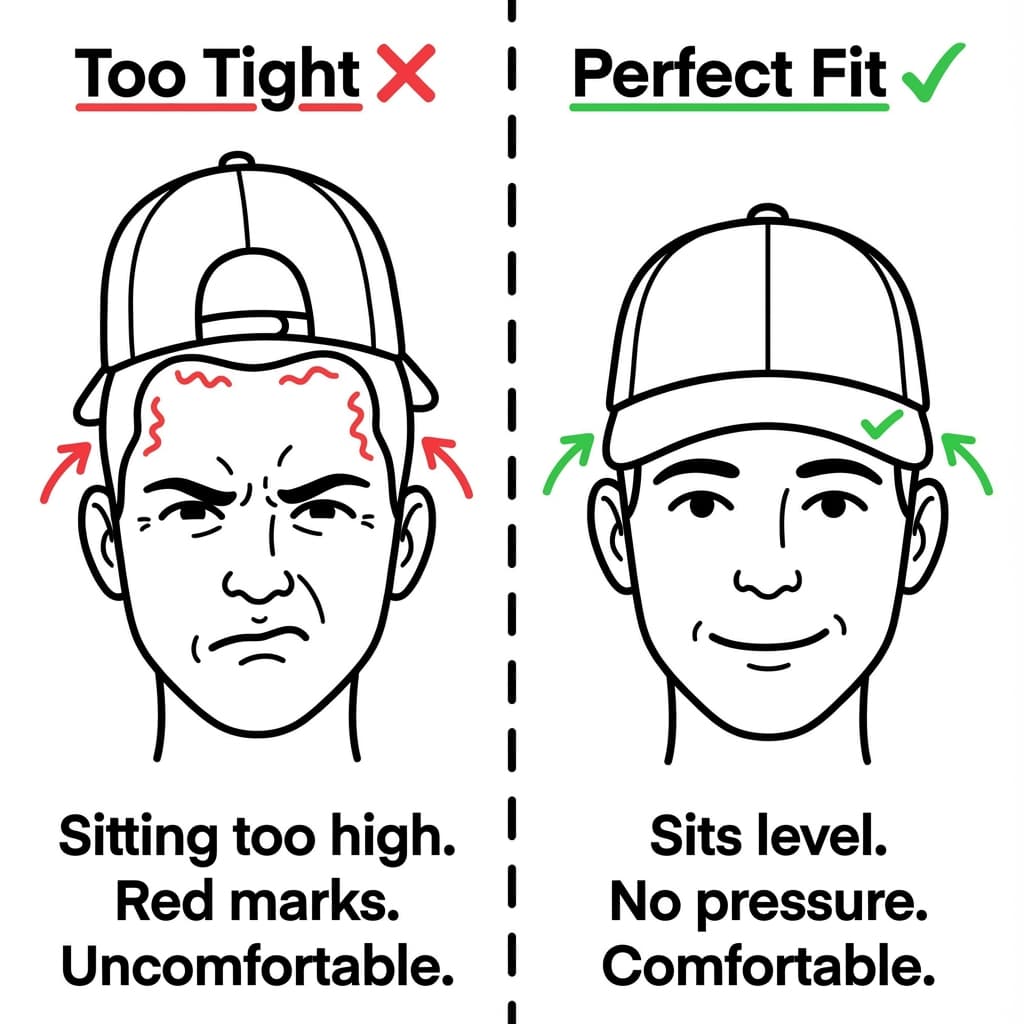
A hat that is too tight restricts blood flow and can leave deep red marks on your forehead ("hat hair"). A hat that is too loose will blow off in a light breeze or sit too low, resting uncomfortably on your ears.
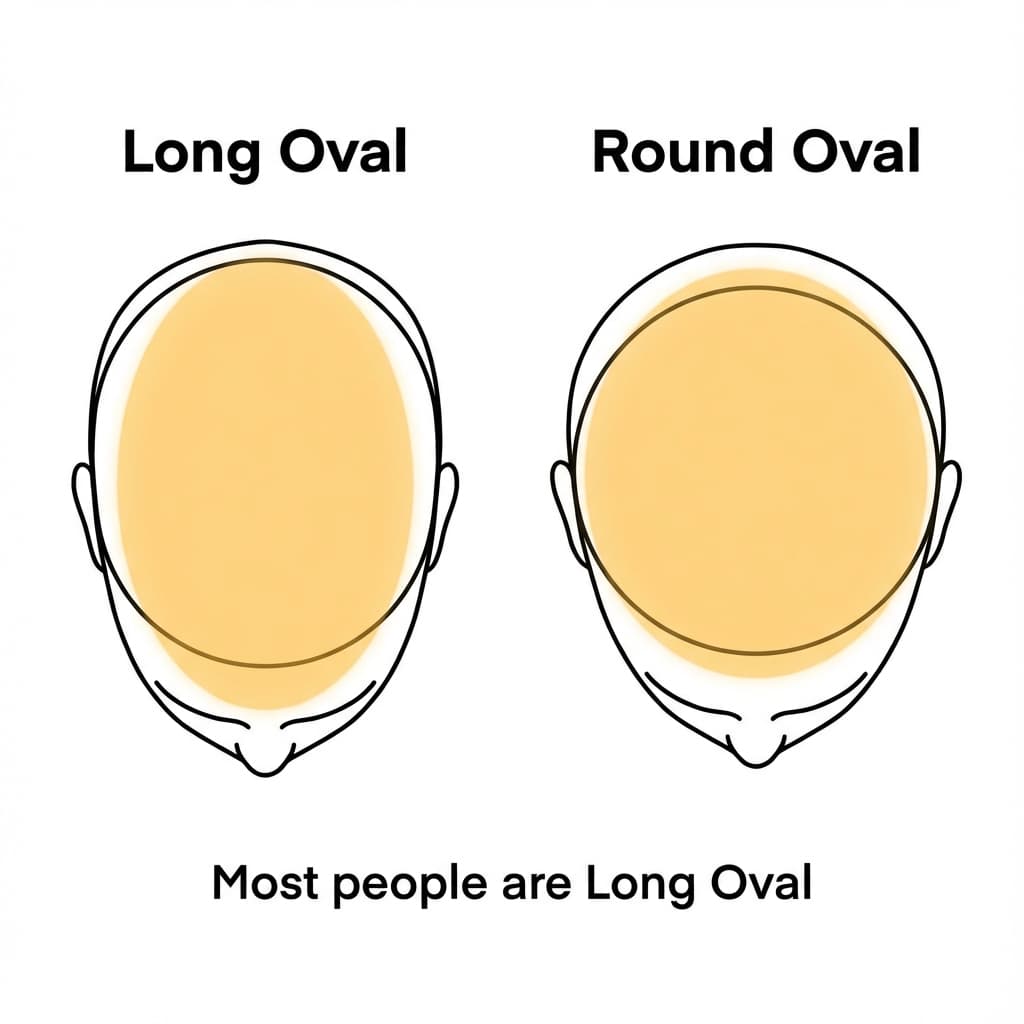
The Goal: An oval fit that sits roughly one finger-width above your eyebrows and ears.
Measurement Methods
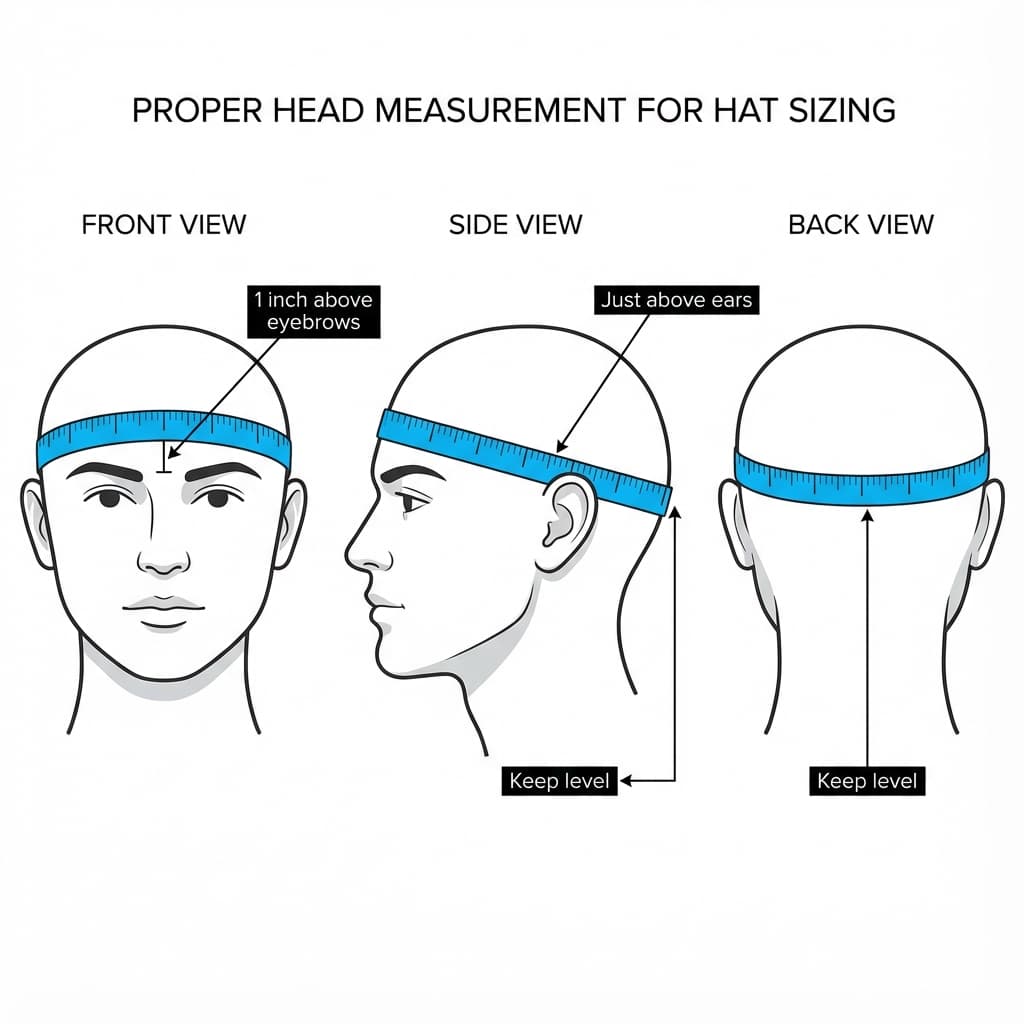
- The Tape Method (Best): Use a flexible tailor's tape. Wrap it around the widest part of your head (occipital bone).
- The String Method: No tape? Use a phone charger cable or string, mark the overlap, and measure firmly against a metal ruler.
- The "Hat Check": If you have a hat that fits perfectly, check its tag! It's the most reliable starting point.
Detailed Sizing Cheat Sheet
| Label | US Size | Inches | Metric (cm) |
|---|---|---|---|
| Small (S) | 6 3/4 - 6 7/8 | 21 1/4 - 21 5/8 | 54 - 55 |
| Medium (M) | 7 - 7 1/8 | 22 - 22 3/8 | 56 - 57 |
| Large (L) | 7 1/4 - 7 3/8 | 22 3/4 - 23 1/8 | 58 - 59 |
| XL | 7 1/2 - 7 5/8 | 23 1/2 - 24 | 60 - 61 |
| XXL | 7 3/4 - 8 | 24 3/8 - 25 1/8 | 62 - 64 |
Structure vs. Flex Fit
Not all "Large" hats are created equal. Structured hats (like New Era 59FIFTY) have stiff buckram panels in the front and zero stretch. You must be exact with these measurements. FlexFit or "stretch fit" hats use spandex in the sweatband, offering about 1-2cm of wiggle room, making them much more forgiving for online ordering.
💡 Pro Tip for "In-Between" Sizes
If you measure 57.5cm (between Medium and Large), always size up. You can easily insert "hat size reducer tape" (foam strips) under the sweatband to tighten a large hat, but you cannot safely stretch a small hat without warping the brim.